Utility Trailer vs Dump Trailer: The Ultimate Comparison Guide
- February 25, 2026
- Blog Post
- Posted by admin
- Leave your thoughts
Which One Should You Choose? 🚚🔧
Whether you’re a contractor, landscaper, homeowner, or outdoor enthusiast, choosing the right trailer matters. Trailers aren’t just “extra gear” — they’re tools that can drastically change how quickly and efficiently you get work done. Two of the most commonly compared trailer types are the utility trailer and the dump trailer. While they may look somewhat similar at first glance, their functions, capabilities, costs, and best-use scenarios are very different. This blog explains those differences in plain English — with pictures and videos to help you really see how each performs.
📸 Visual Overview: Utility Trailer vs Dump Trailer

4
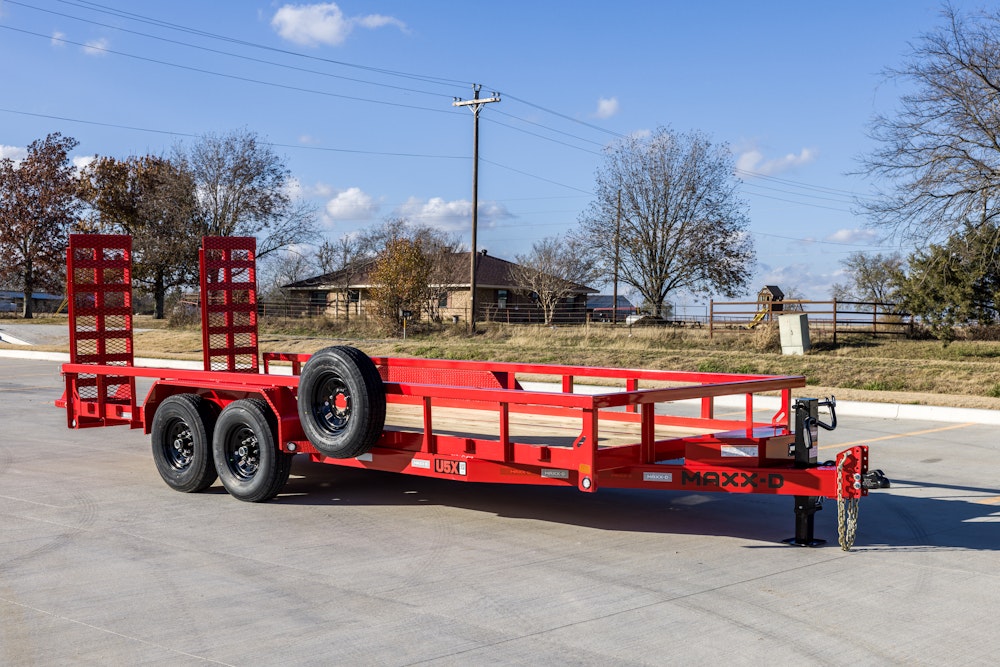
These visuals above give a side-by-side look:
- Utility trailers are open flatbeds designed for general cargo.
- Dump trailers are built for material hauling with a mechanism that tilts the bed to dump contents.
🎥 Video: Utility Trailer in Action
This clip shows typical utility trailer use — equipment being rolled on and hauled to a job site. Perfect for mowers, ATVs, appliances, furniture, and general cargo.
🎥 Video: Dump Trailer at Work
Here’s a dump trailer unloading loose material with a hydraulic lift — no shoveling required. Great for gravel, soil, or clean-up debris.
🧱 What Is a Utility Trailer?
A utility trailer is a hitch-pulled trailer with an open flatbed and (usually) low sidewalls. These trailers are designed to carry a wide variety of cargo — tools, equipment, lumber, lawn machines, furniture, ATV/UTV vehicles, and more. They’re very common for homeowners and small contractors alike.
Key Features of Utility Trailers
- Simple, open flat deck with low sides.
- Ramps or removable tailgate for easy loading/unloading.
- Lightweight compared to heavy-duty trailers.
- No dumping or hydraulic system.
- Usually towed by a pickup, SUV, or even ATV/UTV.
📌 Example uses:
✅ Transporting a lawn mower, ATV, construction tools
✅ Moving furniture or appliances
✅ Hauling lumber or renovation materials
✅ Everyday hauling tasks that don’t involve bulk loose material
Utility trailers are your general-purpose workhorse — not specialized, but very flexible.
🧱 What Is a Dump Trailer?
A dump trailer looks similar at first, but it has a hydraulic lift system built in that lets the bed tilt upward so contents slide out the back. That’s a huge advantage whenever you’re hauling loose materials like soil, gravel, mulch, debris, or demolition waste.
Key Features of Dump Trailers
- Built-in hydraulic cylinder for tilt/dump unloading.
- High sidewalls to contain loose loads.
- Heavier, reinforced frame and structure.
- Ideal for frequent dumping tasks.
- Often requires battery, wiring, and occasional maintenance.
📌 Example uses:
✅ Hauling and dumping gravel, sand, topsoil
✅ Yard debris, tree limbs, construction waste
✅ Landscaping material delivery
✅ Farm chores that involve loose materials
Dump trailers are specialized for projects where unloading time and labor matter.
📊 Direct Comparison: Utility vs Dump
To help you understand the difference at a glance, here’s a simple comparison based on key traits:
| Feature / Trait | Utility Trailer | Dump Trailer |
|---|---|---|
| Primary Purpose | General cargo & equipment | Material hauling & dumping |
| Loading | Manual | Manual or with ramps |
| Unloading | Manual | Hydraulic dumping |
| Material Types | Pallets, tools, machines | Dirt, gravel, mulch, debris |
| Cost | Lower upfront | Higher due to hydraulics |
| Complexity | Simple mechanics | More moving parts |
| Maintenance | Minimal | Requires hydraulic upkeep |
| Payload Range | Moderate | Can be high |
| Versatility | Very | More specialized |
💰 Cost and Value Comparison
One of the biggest practical differences is cost.
- Utility trailers are usually more affordable — a basic 5×8 utility can be hundreds of dollars up to a few thousand on the high end, depending on size and build quality.
- Dump trailers, because of the hydraulic system and heavier construction, often cost 2–3× more than a comparably sized utility trailer.
So for homeowners or light-duty haulers who don’t frequently dump material, utility trailers are often the most cost-effective choice.
🏗️ How They Differ in Real-World Use
Let’s explore real scenarios to show how these differences matter.
🛠️ Scenario 1: You’re Moving Furniture & Tools
Utility Trailer: Ideal — tools and furniture are easily loaded and unloaded by hand or with ramps.
Dump Trailer: Works too, but the tall sides and heavier weight make loading awkward. Utility trailers are simpler for this use.
Winner: Utility Trailer
🏡 Scenario 2: You’re Hauling Mulch and Yard Debris
Utility Trailer: You’ll need to shovel the material out manually — time-consuming and labor-intensive.
Dump Trailer: Hydraulic dumping lets everything slide out quickly with minimal labor.
Winner: Dump Trailer
🧰 Scenario 3: Long-Term Contractor Use
Many contractors use both types: a dump trailer for debris and material, and a utility trailer for tools and equipment. Some jobs even use combination “duility” trailers that can work as both.
🧠 Pros & Cons: Utility vs Dump
👍 Utility Trailer Pros
- Lower cost
- Light and easier to tow
- Extremely versatile
- Simple to maintain
- Easy loading with ramps
👎 Utility Trailer Cons
- Manual unloading — not ideal for bulk materials
- Can be slow for debris cleanup
- Limited self-service unloading capability
👍 Dump Trailer Pros
- Fast and effortless unloading
- Great for landscaping, construction, demolition
- Saves labor time and fatigue
- High sidewalls for bulk material containment
👎 Dump Trailer Cons
- Higher upfront cost
- Heavier and harder to tow
- More components to maintain (hydraulics, battery)
🛻 Tow Vehicle Requirements
Both trailers are unpowered and must be towed by another vehicle. But because dump trailers are heavier even when empty (due to the hydraulic system and reinforced frame), they often require stronger tow vehicles — especially if you’re hauling near the trailer’s GVWR (Gross Vehicle Weight Rating).
Utility trailers are usually lighter and easier to tow with a wider range of vehicles — from a small pickup to an SUV or even a powerful ATV/UTV in some cases (especially for mini utility trailers).
🧪 How to Choose the Right Trailer For You
Ask yourself these questions:
❓ 1. What Will You Haul Most Often?
- Loose materials like soil and gravel → Dump Trailer
- Equipment and gear → Utility Trailer
❓ 2. How Much Unloading Matters?
- Don’t mind shoveling → Utility
- Want quick unloading → Dump
❓ 3. What’s Your Budget?
- Lower budget → Utility
- Could invest more up front → Dump
❓ 4. What’s Your Tow Vehicle Capacity?
- Smaller truck/SUV → Utility
- Heavy hauling with a powerful pickup → Dump
This framework can help narrow the right choice for your use.
🧑🔧 Maintenance Comparison
Even though both trailers require basic upkeep like tires, lights, and bearings, dump trailers have additional maintenance needs:
✔ Check hydraulic fluid levels
✔ Inspect the hydraulic pump and battery (if electric)
✔ Grease pivot points regularly
✔ Keep bed and components clean to reduce corrosion
Utility trailers have no such systems — generally fewer parts that can fail.
🏁 Final Recommendation
| Best For… | Recommended Trailer |
|---|---|
| General cargo & equipment | 🛠 Utility Trailer |
| Frequent bulk material hauling | 🚛 Dump Trailer |
| Occasional simple hauls | 🛠 Utility Trailer |
| Professional landscaping or construction | 🚛 Dump Trailer |
| Lower budget needs | 🛠 Utility Trailer |
| Time savings on unloading | 🚛 Dump Trailer |
🏁 Conclusion
Utility trailers and dump trailers may look alike, but their purposes could not be more different. Utility trailers are adaptable and cost-effective — perfect for general hauling. Dump trailers specialize in moving large amounts of loose material quickly and with minimal labor. The right choice depends on what you haul most and how often you need to unload.
No matter your choice, picking the right trailer can save you time, labor, and money in the long run.
